
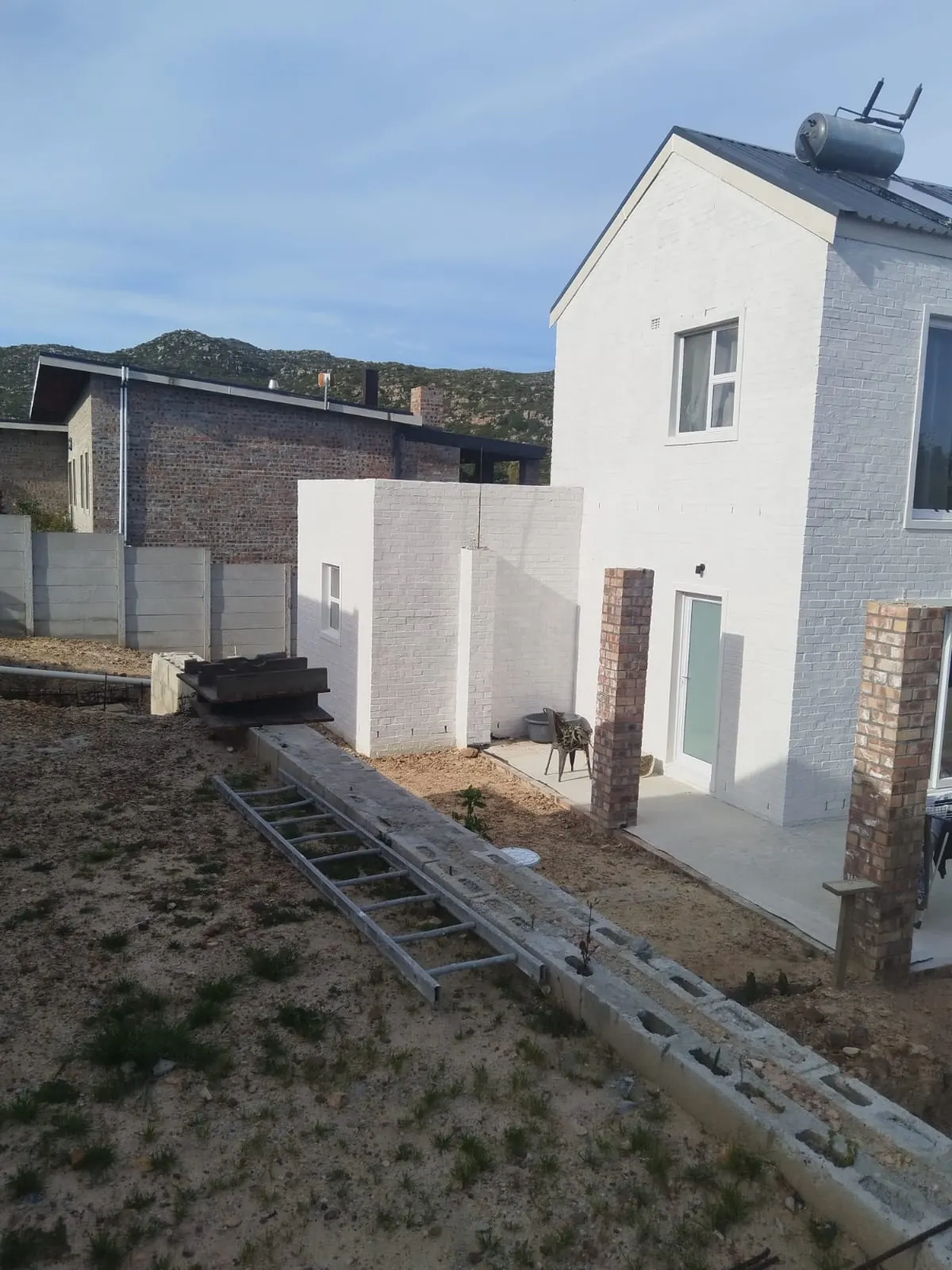
Snag list repairs are the small defects you fix before a sale, a handover or a new-build sign-off. Individually they are trivial. Together they are what makes a buyer knock the price down or an inspector’s report read badly.
Handled early, most of a snag list is a day or two of handyman work. Handled late, it becomes a negotiation you lose.
What snag list repairs actually are
A snag list, sometimes called a punch list, records visible defects and unfinished work. In South Africa it comes up in three situations.
- New build handover: defects found before you sign off the developer
- After a renovation: confirming completion and workmanship
- Before a sale: clearing the small faults a buyer or inspector will list
The items are almost always minor: chipped paint, missing sealant, misaligned doors, loose fittings, cracked tiles, poor finishes. Serious structural problems are a separate matter and are not snags.
The snags buyers and inspectors flag most
Home inspectors work through a property in a set order. These are the items that come up again and again.
Doors, windows and hardware
- Doors that stick, drag or will not latch
- Loose or missing handles, hinges and door stops
- Windows that do not close or lock
- Perished putty and split sealant around frames
Walls, ceilings and finishes
- Cracked or patchy plaster and visible filler
- Paint chips, scuffs and mismatched touch-ups
- Ceiling stains, which read as an active leak whether or not it is
- Loose or lifting skirting and cornice
Bathrooms and kitchens
- Mouldy or missing silicone around baths, basins and shower trays
- Dripping taps and running toilets
- Loose toilet seats and towel rails
- Cupboard doors out of alignment, drawers that jam
Outside
- Blocked or sagging gutters
- Cracked or lifted paving
- Rusted gates, seized locks and faulty gate motors
- Loose or broken burglar bars
Ceiling stains deserve special attention. A buyer sees a stain and prices in a roof, not a repaint. If the leak is genuinely fixed, repaint it. If it is not, get it traced – our guide to roof waterproofing covers the options.
Compliance certificates you legally need when selling
These are not snags. They are separate legal requirements, and a transfer cannot go through without them. Budget for them independently.
- Electrical COC: R935 to R2,750, typically around R1,500. Required on every property transfer.
- Plumbing or water installation COC: R800 to R1,500, increasingly standard in offers to purchase
- Gas COC: R500 to R1,200, wherever there is an LPG installation
- Electric fence COC: R550 to R2,500 depending on source and installation
- Beetle or entomologist certificate: R400 to R800, common in coastal provinces
An electrical COC is valid for two years but only for the installation as inspected – any change since then invalidates it. Certificates must be issued by a registered practitioner in that trade, which is covered in our plumbers Cape Town guide.
What snag list repairs cost
Most snags are handyman work billed by time rather than by item. General labour runs about R300 to R650 an hour in 2026, with a call-out or minimum of R350 to R950.
Indicative item costs from current South African price guides:
- Easing a sticking door: R350 to R650 per door
- Re-fixing or replacing a shelf: R250 to R600
- Drawer repairs: R250 to R550 per drawer
- Built-in cupboard repairs: R450 to R1,500
- Gutter cleaning, single storey: R800 to R1,200
A typical pre-sale snag list of eight to twelve items is a half to full day. Half days run roughly R1,200 to R4,200 and full days R2,400 to R7,500, which is why booking the whole list as one visit beats calling someone out five times.
A sensible timeline before listing
- Six weeks out: walk the house with fresh eyes and write everything down
- Five weeks out: book the electrical and plumbing COC inspections – repairs take time
- Four weeks out: book the handyman for the full snag list in one visit
- Three weeks out: touch-up painting once repairs are done
- Two weeks out: final walk-through, deep clean, then photograph
The COC inspections come first deliberately. If the electrical installation fails, you need time to get the repairs done and re-inspected before transfer, not the week before. Building regulations and permit rules for your property are published by the City of Cape Town.
Why clearing the list is worth the money
A buyer who finds ten small faults assumes there are fifty they have not found. That assumption is worth far more off your price than the repairs cost.
The reverse also works. A property that shows no obvious snags gets fewer conditions attached to the offer and moves through transfer faster.
For the full range of what we handle in one visit, see our handyman services and our handyman services Cape Town list, or send us your snag list for a free assessment with no call-out fee.
Frequently asked questions
What is a snag list?
A snag list, also called a punch list or deficiency list, records visible defects and unfinished work on a property. Typical items are chipped paint, missing sealant, misaligned doors, loose fittings and cracked tiles. It is used at new-build handover, after a renovation, and before a sale.
What repairs should I do before selling my house?
Fix everything a buyer can see in a ten minute walk-through: sticking doors, loose handles, mouldy silicone, dripping taps, chipped paint, ceiling stains and blocked gutters. Then handle the legally required compliance certificates separately, because those are not optional and can delay transfer.
What certificates do I need when selling a house in South Africa?
An electrical certificate of compliance is required on every transfer, costing roughly R935 to R2,750. A plumbing or water COC (R800 to R1,500) is increasingly standard, a gas COC (R500 to R1,200) applies to any LPG installation, an electric fence COC where one exists, and a beetle certificate is common in coastal provinces.
How much do snag list repairs cost?
Most snags are handyman work at about R300 to R650 an hour, plus a call-out or minimum of R350 to R950. Individual items run from R250 to R650 for door easing, shelf re-fixing and drawer repairs. A full list of eight to twelve items is usually a half to full day, roughly R1,200 to R7,500 depending on scope.
How long does it take to fix a snag list?
The repairs themselves are usually one to two days for a typical residential list. Allow six weeks in total before listing, because compliance certificate inspections need to happen first in case the installation fails and needs repairs plus a re-inspection.