
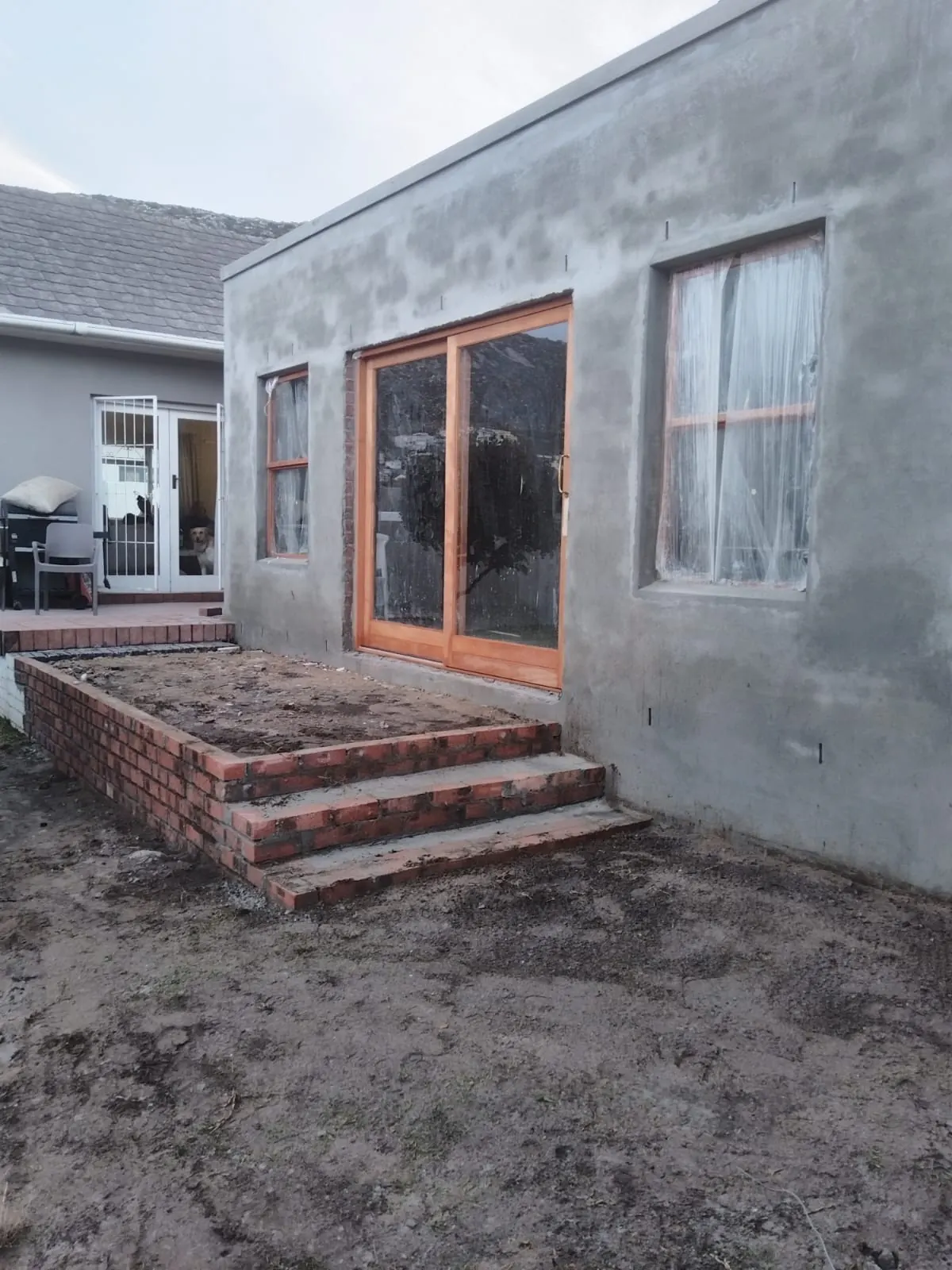
The plaster sand 40kg price at South African retailers in 2026 runs from about R40 to R90 a bag. Cheaper suppliers sit near R40, and the larger national chains list closer to R90.
Bags look convenient. For small jobs they genuinely are. The problem is that the maths turns against them faster than most people expect, so this article works out exactly where the line sits.
The 2026 plaster sand 40kg price across retailers
- Smaller independent suppliers: around R40 per 40kg bag
- Mid-range hardware chains: roughly R40 to R45
- Large national retailers: up to about R90
That is more than a two-fold spread on the same product. It is worth phoning two suppliers before you load a trolley, because nothing about the sand itself justifies the difference.
The bag versus bulk break-even
This is the number that matters. Plaster sand weighs roughly 1,500kg per cubic metre, so:
- One cubic metre is about 37 to 38 bags of 40kg
- At R40 a bag, that is roughly R1,500 per cubic metre
- At R90 a bag, it is roughly R3,400 per cubic metre
- Bulk sand costs about R400 to R900 a cubic metre
So bagged sand costs somewhere between two and eight times as much per cubic metre. Bags are not competing on price. They are competing on convenience and on avoiding a delivery fee.
Where bags still win
Bags make sense in a narrow but real set of situations.
- Very small repairs — patching after removing a geyser, filling chased channels
- No delivery access — a flat, a complex, or a property with no tip spot
- No storage — nowhere to leave a heap for weeks
- You need it today — bags come home in the car boot
- Body corporate rules that forbid tipping on common property
For a flat repair, five bags in the boot beats arguing with a body corporate about a sand heap in the visitors’ bay. That is worth paying for.
How many bags your job actually needs
Using the same coverage maths as bulk sand, one 40kg bag covers roughly 1.5 to 2 square metres of wall at a normal plaster thickness.
- Patching around a doorway: 2 to 4 bags
- One small wall, say 6 m²: 3 to 5 bags
- A whole bedroom, 40 m²: 20 to 27 bags — you are past the line
- Anything over about 25 m²: order bulk
That last point is the practical rule. Once you need more than roughly a dozen or fifteen bags, price a delivered cube instead. The coverage figures behind this are explained in our 1 meter plaster sand price guide.
The hidden costs of buying bags
The shelf price is not the whole story.
- Your own transport. Fifteen bags is 600kg. Most cars should not carry that.
- Handling time. Someone opens, lifts and empties every bag.
- Consistency. Bagged sand is dry and even, which is genuinely an advantage for mixing.
- Storage. Bags stack neatly and stay dry, unlike a heap.
Points three and four are real benefits, not just consolation. For a homeowner mixing small batches by hand, dry bagged sand gives more predictable results than damp sand off an uncovered pile.
Ready-mixed versus plain bagged sand
Some 40kg bags are plain plaster sand. Others are a pre-blended plaster mix with cement already in. They are not the same product and are often shelved side by side. Mix ratios and workmanship standards are published by the South African Bureau of Standards.
- Plain plaster sand — you add cement, you control the ratio
- Pre-mixed plaster — add water only, more expensive per square metre, far fewer mistakes
For one small patch, pre-mixed is usually worth it. For anything larger, buying sand and cement separately costs less and gives you control of the mix strength.
When to stop buying material and get a quote
If you are counting past fifteen bags, the job is big enough that the labour cost dwarfs the material either way. Published South African plastering labour sits around R90 to R160 per square metre in 2026.
For bulk rates see our plastering sand price guide, and for full load pricing the 3 meter plaster sand price article.
We do patching, plastering and full re-renders across Cape Town. See our plastering services, or send a photo of the wall for a free assessment. There is no call-out fee.
Frequently asked questions
How much is a bag of plaster sand?
Between about R40 and R90 for a 40kg bag in South Africa in 2026. Smaller independent suppliers and mid-range hardware chains sit near the R40 mark, while the largest national retailers list closer to R90 for the same product. The spread is worth a phone call before you buy, because the sand itself is not different.
How many 40kg bags of plaster sand in a cubic meter?
About 37 to 38 bags. Plaster sand weighs roughly 1,500kg per cubic metre, so a cubic metre is around 1,500kg divided by 40kg per bag. That is why bagged sand works out at roughly R1,500 to R3,400 per cubic metre against about R400 to R900 for bulk — two to eight times the price for the same volume.
Is it cheaper to buy plaster sand in bags or bulk?
Bulk is far cheaper per cubic metre, but bags can still be the right answer on small jobs. If you only need a few square metres of wall covered, a bulk delivery fee for a fraction of a load costs more than the bags. The practical break-even is around a dozen to fifteen bags, or roughly 25 square metres of wall.
How much wall does one 40kg bag of plaster sand cover?
Roughly 1.5 to 2 square metres at a normal 12mm to 15mm plaster thickness, once cement is added and waste is allowed for. On a rough or out-of-true wall that needs a thicker coat, expect closer to one square metre a bag. Patching around a doorway typically takes two to four bags.
What is the difference between plaster sand and plaster mix in bags?
Plain plaster sand is just the sand, so you add cement yourself and control the mix ratio. A pre-blended plaster mix already contains cement and only needs water. The pre-mixed option costs more per square metre but removes ratio mistakes, which makes it worth it for a single small patch and poor value on a larger wall.