

Searching for a carpenter near me gives you a page of names and almost no way to tell them apart. Rates run from R350 to R1,320 an hour in 2026, and price alone tells you very little about which one will do the job properly.
This guide is about the vetting, not the pricing. Six checks, in the order you should do them.
What to check before you call a carpenter near me
Two minutes of preparation gets you a far better first conversation.
- Define the job in one sentence — “fit built-in cupboards to a 3.2m bedroom wall”
- Measure it in linear metres or square metres
- Photograph it, including the ceiling and skirting
- Note anything unusual — a bulkhead, a sloped ceiling, a damp patch
- Decide your budget band before you hear a number
Carpenters price a defined scope far more accurately than a vague description, and you get comparable quotes instead of guesses.
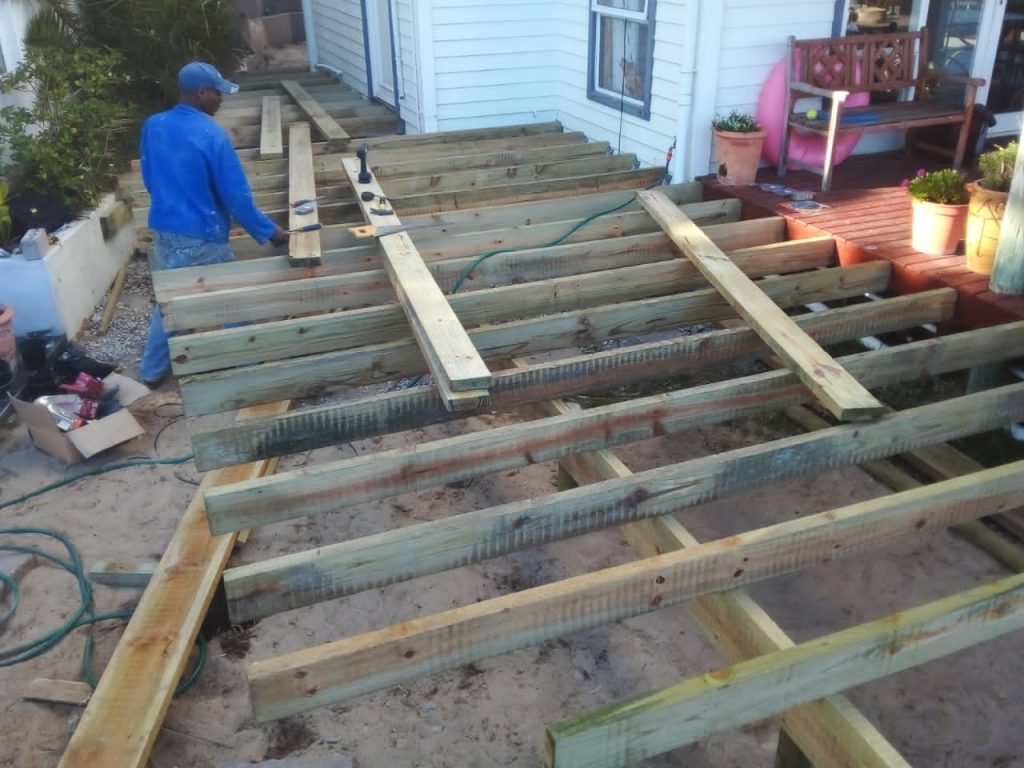
Check one: the portfolio, properly
Everyone shows photographs. Look at the right details in them.
- Edges and joins — are edge strips flush, or already lifting?
- Scribing to walls — do units meet uneven walls cleanly or is the gap filled with sealant?
- Door alignment — are gaps between doors even top to bottom?
- The top and the sides, not just the styled front view
- Real jobs, not manufacturer stock photography
Ask for a photo of a completed job that is a year or two old. Fresh installations always look good. Survivors tell you more.
Check two: the right carpenter for the job
- Fitted joinery — cupboards and kitchens, needs workshop capability
- Site carpentry — doors, skirting, roof timbers, decking
- Flooring specialists — laying, sanding and sealing timber floors
A carpenter who is genuinely good at decking is not automatically the right person for a sprayed kitchen. Ask directly how many jobs like yours they did last year. The full service breakdown is in our carpentry Cape Town guide.
Check three: what a real quote shows
A quote you can compare has every one of these on it.
- Scope of work, described precisely
- Materials, with timber species or board grade named
- Edging thickness in millimetres for cabinetry
- Hardware brand for hinges and runners
- Labour, whether hourly, daily or fixed
- Lead time for manufacture, separate from installation days
- Exclusions, in writing
- Payment terms and guarantee
A single figure with no breakdown is not a quote. If cabinetry is involved, sanity-check the per-metre rate against our built-in cupboards Cape Town cost bands before you accept.
Check four: deposits and payment terms
- A deposit for materials is normal on manufactured joinery
- It should be a stated percentage against a written quote, not an arbitrary number
- Full payment upfront is a red flag on any job
- Hold a final portion until snagging is signed off
- Insist on an invoice — cash with no paperwork means no recourse
The paperwork is your protection. A carpenter who resists putting terms in writing is telling you something useful.
Check five: the questions that reveal experience
- How will you handle the wall not being square?
- What edging thickness and hinge brand are you using?
- Is the carcass moisture-resistant board?
- Who makes good the plaster and paint afterwards?
- What is the guarantee, and what does it exclude?
- Who removes the offcuts and packaging?
Making good is the most commonly skipped item. Installing cupboards damages plaster and paint, and if nobody has quoted for it you will be arranging painting yourself afterwards.
Check six: warning signs
- No written quote, only a verbal figure
- Pressure to decide today on a discount that expires
- No fixed lead time for manufacture
- Vague materials — “good board”, “quality hinges”
- No references you are allowed to contact
- A price far below everyone else, usually thinner board and cheaper edging
A quote 40 percent under the others is rarely generosity. It is normally a different specification, and you find out which parts were cut about eighteen months later.
Getting a quote from us
Send measurements and photographs and you will get an itemised written quote listing board grade, edging, hardware and lead time. Assessments are free and there is no call-out fee.
We cover cupboards, kitchens, doors, decking and timber repairs under our carpentry services, and handle the plastering and painting so nothing is left half-finished. Get in touch with the details and we will come back with a real number.
Frequently asked questions
How do I find a good carpenter near me?
Define and measure the job first, then compare on specification rather than price. Check the portfolio for edge finish, scribing against uneven walls and even door gaps, ask for photos of jobs a year or two old, and confirm they regularly do work like yours. Insist on an itemised written quote from every candidate. Board and timber product standards are published by the South African Bureau of Standards.
What should I ask a carpenter before hiring them?
Ask how they will handle a wall that is not square, what edging thickness and hinge brand they use, whether the carcass is moisture-resistant board, who makes good the plaster and paint afterwards, what the guarantee covers and excludes, and who removes offcuts and packaging. Making good is the most commonly skipped item.
How much deposit should I pay a carpenter?
A materials deposit is normal on manufactured joinery, but it should be a stated percentage against a written quote rather than an arbitrary figure. Never pay the full amount upfront. Hold a final portion back until snagging is signed off, and always get an invoice, because cash with no paperwork leaves you no recourse.
Why are carpenter quotes so different from each other?
Because they are rarely quoting the same thing. Board grade, edging thickness, hinge and runner brand, and whether making good is included all move the price substantially. Ask every carpenter to quote the identical written specification, then compare again — the gap usually narrows sharply.
Is a cheap carpenter a bad idea?
Not automatically, but a quote far below the others is normally a different specification rather than a better deal. The savings typically come from thinner board, 0.45mm instead of 2mm edging, unbranded hinges and excluded making good. Ask what board grade and hardware the low price is based on before accepting it.