
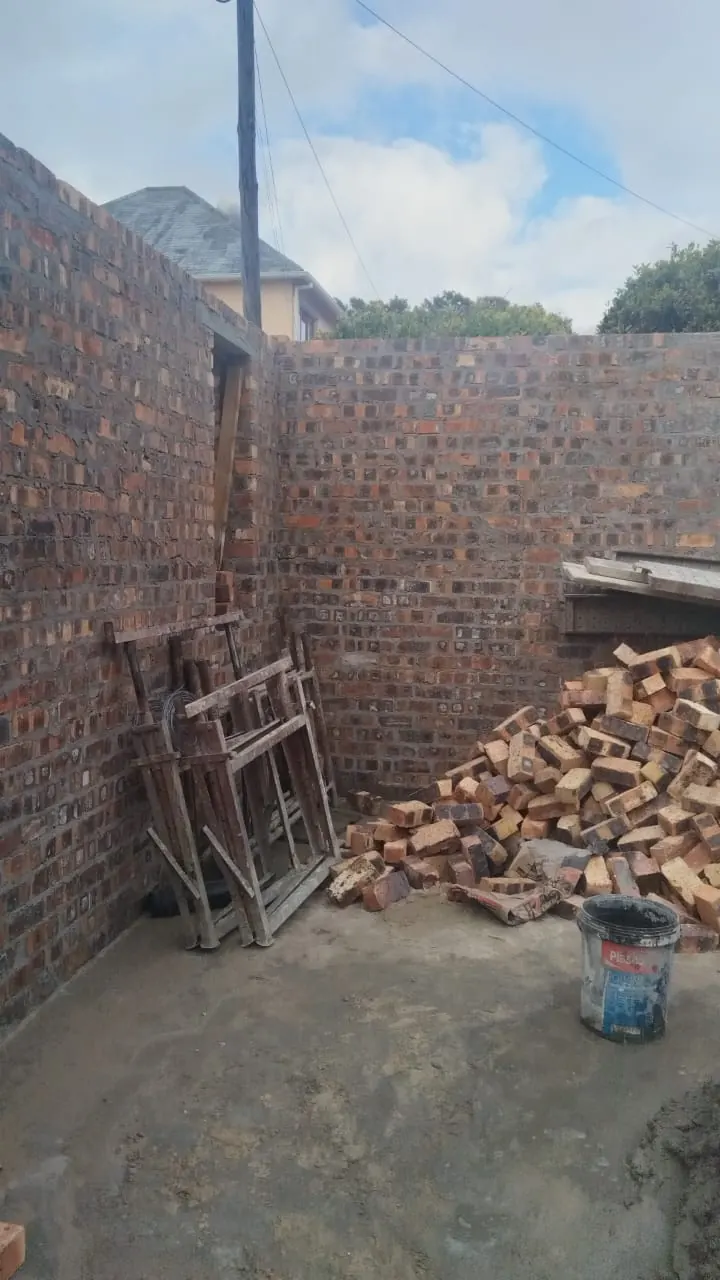
Brick repointing means raking out the old, failed mortar between your face bricks and replacing it with fresh mortar. It is one of the cheapest repairs you can do to a face brick wall, and one of the most expensive to leave alone.
Mortar is designed to be the sacrificial part of a wall. It weathers so the bricks do not. On the Cape coast it weathers faster, which is why so many local face brick homes need it after twenty to thirty years.
Signs your wall needs brick repointing
Run a key or a screwdriver along a mortar joint. Sound mortar resists. Failed mortar comes out as sand.
- Mortar crumbles when scraped, or falls out in pieces
- Recessed joints that have weathered back well behind the brick face
- Sandy piles collecting at the base of the wall
- Gaps or open joints you can see daylight or a gap through
- Damp patches inside on the matching internal wall
- Green algae or moss holding in the joints on the shaded elevation
Damp inside is the one to act on. Open joints let wind-driven rain straight into the wall, and Cape Town gets plenty of that from the north-west in winter.
Repoint or leave it alone
Sound mortar should not be touched. Repointing a joint that does not need it is wasted money and can do harm, because grinding out good mortar damages brick edges. The correct rule is simple: repoint only where the mortar is decayed, cracked or missing.
Why coastal walls fail faster
Salt is the difference between a Cape Town face brick wall and an inland one.
- Salt crystallisation — salt gets into the joint, crystallises and pushes mortar apart
- Wind-driven rain forces water into joints that would shed it on a calm site
- Wet and dry cycling in the south-easter accelerates surface erosion
- White salt bloom on the brick face, called efflorescence, is a warning sign
Properties in Blouberg, Table View, Milnerton and the Atlantic Seaboard show this earliest. Southern suburbs walls tend to fail on the wet, shaded elevation first.
How brick repointing is done
- Rake out the old mortar to a uniform depth, usually two to three times the joint width
- Brush and clean every joint so no dust is left to break the bond
- Dampen the brickwork so dry brick does not suck the water out of the new mortar
- Mix to match the original mortar in strength and colour
- Press mortar in firmly in layers, not one deep fill
- Finish the joint profile to match the rest of the wall
- Brush off once it has gone firm, and protect from sun and wind while it cures
Getting the mortar mix right matters more than most people expect. A mortar that is harder than the brick moves stress into the brick face, and the brick spalls instead of the joint. On older or softer bricks, a weaker, more flexible mix is the correct choice.
Matching the joint profile
- Weathered or struck — angled to shed water, the most common exterior profile
- Bucket handle — a rounded recess, very durable
- Flush — level with the brick face
- Recessed — looks sharp but holds water, poor choice on an exposed coastal wall
Repointing a patch in a different profile or colour is more obvious than the damage was. Insist on a sample panel before the whole wall is done.
What repointing costs in Cape Town
Be careful with online pricing here. Most published repointing rates are American, British or Australian and do not convert usefully. Verified South African rates specifically for repointing are scarce, so use these local masonry benchmarks and insist on a site quote. Mix ratios and workmanship standards are published by the South African Bureau of Standards.
- General brickwork rate guide: around R150 to R450 per m², driven by brick type and wall build-up
- External plaster and render repair: R130 to R200 per m²
- Patch and repair finish work: around R95 to R125 per m²
- Scaffolding for double-storey work: around R8 to R15 per m², usually quoted separately
Repointing is priced by the square metre of wall face, not by the metre of joint. Access, wall height and how much mortar has to be ground out are what move the number. Our brickwork and plastering team quotes it on site after checking the joints.
What else is usually needed
- Replacing spalled bricks where the face has flaked off
- Cleaning efflorescence before any sealing
- Fixing the leak above the wall, if a gutter or flashing caused it
- A breathable water repellent, only after repointing has cured
Never seal a wall before repointing. You trap the moisture that is already in it. If the damp has reached the inside face, the internal plaster may also need attention, which is covered in our replastering walls guide.
Booking the work
Photograph the worst joints with a coin or key in the shot for scale, note which elevation faces the weather, and say whether the wall is single or double storey. That is enough for a contractor to tell you whether it is a small patch or a full elevation.
We offer a free assessment and charge no call-out fee. Send through your photos for a written quote. Choosing between quotes? Our checklist for building contractors near me covers what to verify first.
Frequently asked questions
What does it mean to repoint brick?
Repointing is renewing the outer part of the mortar joints in a brick wall. The decayed mortar is raked out to a consistent depth and replaced with fresh mortar that matches the original in strength, colour and joint profile. The bricks themselves stay in place; only the joints are renewed.
How do I know if my brickwork needs repointing?
Scrape a joint with a key or screwdriver. If the mortar crumbles to sand, falls out, or has weathered back well behind the brick face, it needs repointing. Sandy piles at the base of the wall, open joints and damp patches on the matching internal wall are the other clear signs.
Should sound mortar be repointed too?
No. Repointing should only be carried out where the existing mortar is decayed, cracked or damaged. Sound mortar should be left alone. Grinding out good mortar risks chipping the brick edges and gives you nothing in return, so a good contractor repoints selectively rather than doing whole walls by default.
What are the benefits of repointing old brickwork?
It keeps water out of the wall, which is the main job of the joint. Renewed pointing stops wind-driven rain reaching the inner leaf, prevents frost and salt damage from working deeper, and preserves the bricks themselves. It also tidies the appearance of a wall considerably, at a fraction of rebuilding cost.
Can I repoint brickwork myself?
Small patches at ground level, yes, if you rake out to an even depth, dampen the brick and press the mortar in firmly in layers. The two things that catch people out are mixing a mortar harder than the brick, which makes the brick face spall, and failing to match the existing joint profile.