
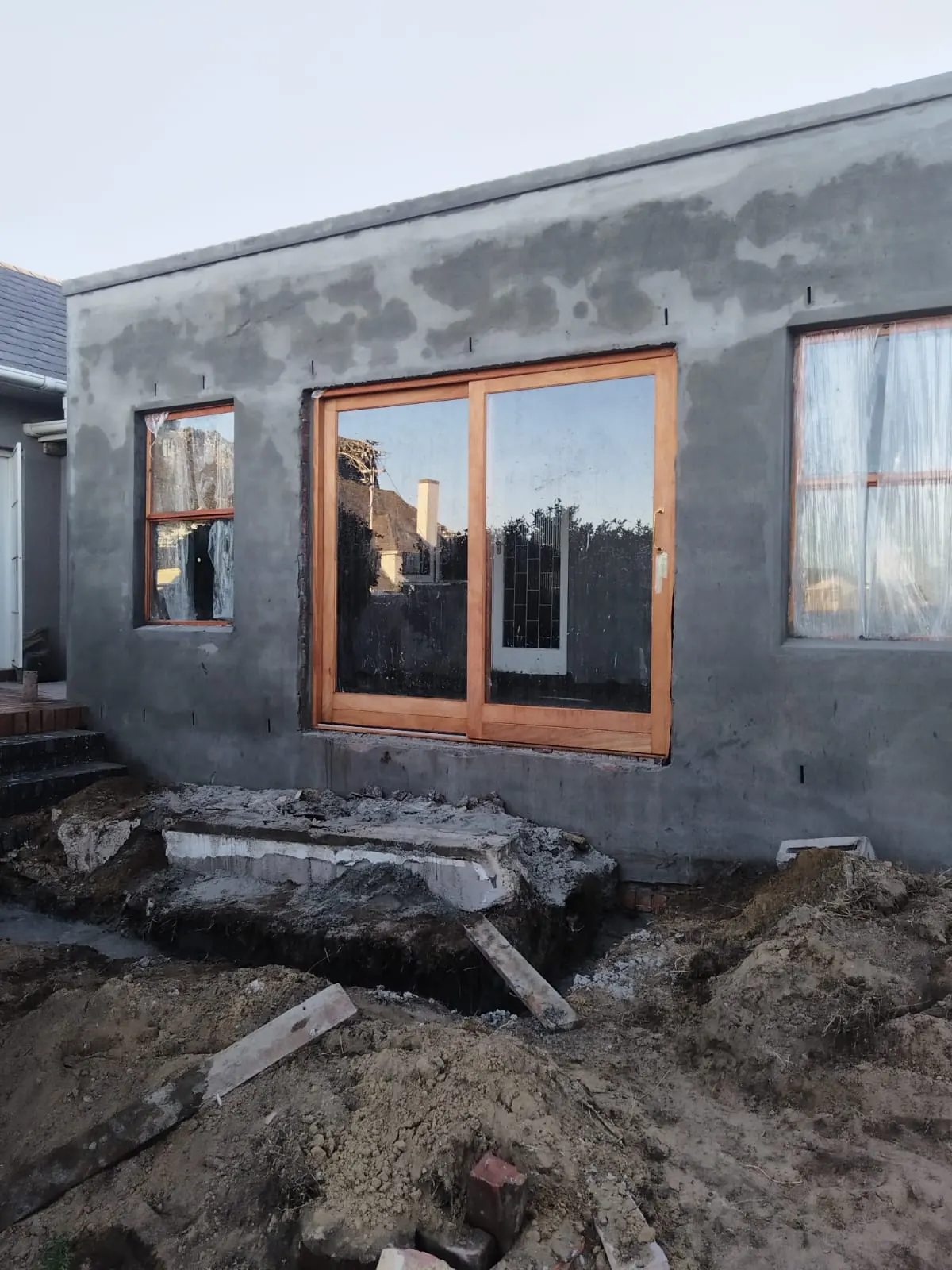
Wall crack repair costs anywhere from about R500 for a minor filled crack to over R100,000 where foundation work is needed. The gap is that wide because the price has almost nothing to do with the crack and everything to do with what caused it.
This guide covers the repair itself: how it is done properly, what it costs, and the point at which filling a crack becomes the wrong thing to do.
Before any wall crack repair: cosmetic or structural?
You cannot price a repair until you know which of these you have. Use width, shape and behaviour together, not any one on its own.
- Likely cosmetic: hairline, under about 2mm, straight, stable, often in plaster only
- Watch carefully: 2mm to 5mm, or any crack that is slowly growing
- Get it assessed: wider than 5mm, stepped or diagonal through brickwork, or widening at one end
Other warning signs matter as much as width. Doors and windows that start sticking, cracks that go right through the wall, and cracks that reappear within months of being filled all point to movement rather than surface shrinkage.
Be careful here. Filling a structural crack hides the symptom and lets the cause continue, which is worse than leaving it visible. If you are unsure what is behind it, read our companion guide on why is my wall cracking before choosing a repair.
When to call a structural engineer
Call one if the crack is wider than about 5mm, follows a stepped diagonal line through the brickwork, passes through the full thickness of the wall, or is still growing after you have monitored it.
A structural engineer’s assessment and report in South Africa is commonly quoted around R5,000 to R15,000. Against a possible six-figure foundation repair, that is cheap certainty rather than an expense.
How a cosmetic crack is repaired properly
The method is not complicated. Skipping steps is what makes cracks come back.
- Open the crack out. Cut it into a V-shaped groove, slightly wider and deeper than the crack itself. Filler will not hold in a hairline.
- Clean it. Remove all loose plaster and dust, then dampen if a cement-based product is being used.
- Prime or bond. Use a bonding agent where the substrate is powdery.
- Fill in layers. One thick pass shrinks and cracks again. Two or three thin passes do not.
- Reinforce where needed. Mesh or scrim tape bridges the crack so the repair moves as one piece.
- Sand and skim. A thin skim over the area blends the patch into the wall.
- Prime, then paint. Unprimed filler flashes through the paint as a visible stripe.
Flexible fillers suit plaster cracks that move slightly with temperature. Rigid cement-based products suit masonry. Using the rigid one on a moving crack guarantees a repeat.
Larger cracks in masonry
Where a crack runs through the brick and not just the plaster, filling the surface is pointless. The usual approach is to chop the plaster back a couple of hundred millimetres either side, expose the brickwork, and reinforce across the crack before re-plastering.
On serious movement cracks, crack stitching is used – stainless steel bars bedded into slots cut across the crack in the mortar beds. That is specialist work and follows an engineer’s instruction, not a guess. Mix ratios and workmanship standards are published by the South African Bureau of Standards.
What wall crack repair costs in South Africa
- Minor filled and painted crack: from around R500
- Re-plastering a section: plaster labour runs roughly R85 to R130 per square metre, or near R150 per square metre with materials
- Skim coat over a repaired area: commonly quoted around R95 per square metre
- Structural engineer’s report: about R5,000 to R15,000
- Crack stitching and structural repairs: priced per job, well into five figures
- Underpinning or foundation work: can exceed R100,000
Published sources vary, and the honest reason is scope. The drivers are wall area, access, height, whether scaffolding is needed, and whether the whole wall has to be repainted afterwards to avoid a patchy finish.
Why the paint cost surprises people
You cannot usually paint a patch and stop. Colour and sheen never match exactly on a weathered wall, so the practical unit of repainting is a whole wall, corner to corner.
DIY or a contractor?
Some of this is genuinely a homeowner job.
- Reasonable DIY: single hairline cracks in internal plaster, filled, sanded, primed and painted
- Borderline: several cracks in one room, or anything above head height
- Call a professional: external walls, cracks through brickwork, repeat cracks, anything over 5mm
The most common DIY failure is not skill, it is the V-groove. Filler smeared over an unopened hairline has nothing to grip and pops out within a season. Our guide to plastering goes into this properly.
Getting a large repaired area to look right is a plastering skill rather than a filling one. Our skimming plaster guide explains how that finish coat works.
Stopping it from coming back
- Fix water first. Blocked gutters, failed sealant and rising damp all keep cracking walls.
- Monitor before repairing. Mark the ends and date them, then check in a month.
- Match the filler to the movement. Flexible for plaster, rigid for masonry.
- Do not repair mid-argument with the cause. A moving crack needs the movement resolved first.
We repair cracked walls across Cape Town as part of our brickwork and plastering work, and we will tell you honestly when a crack needs an engineer rather than a plasterer. Assessments are free and there is no call-out fee – send us photographs with a ruler in shot and we will look before we quote.
Frequently asked questions
How much does wall crack repair cost in South Africa?
Minor cracks that are filled and painted start from around R500. Re-plastering a section runs roughly R85 to R130 per square metre for labour, or near R150 with materials, and a skim coat is commonly around R95 per square metre. Structural work is far higher, with foundation repairs able to exceed R100,000.
At what size should I worry about a crack in a wall?
Cracks wider than about 5mm should be investigated, as should any crack that is stepped or diagonal through brickwork, passes through the full wall thickness, or keeps growing. Hairline cracks under roughly 2mm in plaster are usually cosmetic. Doors and windows sticking alongside cracking is a strong sign of structural movement.
How do you repair a crack in a wall permanently?
Cut the crack into a V-shaped groove, clean out all loose material, apply a bonding agent if the surface is powdery, then fill in two or three thin layers rather than one thick one. Bridge the crack with mesh or scrim tape, skim over the area, prime and paint. Filler smeared over an unopened hairline always fails.
Should I fill a crack or call an engineer?
Fill it only if it is a stable hairline crack in plaster. Call a structural engineer if it is wider than 5mm, stepped through brickwork, visible on both sides of the wall, or still growing. A report costs roughly R5,000 to R15,000, which is small against the cost of a foundation repair discovered too late.
Why do wall cracks keep coming back after being filled?
Either the cause is still active or the repair method was wrong. A crack caused by movement, damp or settlement will reopen no matter how neatly it is filled. Rigid cement filler used on a crack that moves seasonally will also crack again. Resolve the cause, then match a flexible or rigid product to the situation.