

Choosing between building contractors cape town homeowners recommend is mostly a judgement call, not a search problem. The listings are full. The difficulty is telling a good outfit from a confident one.
This guide is about the decision itself: how to think about registration, how to compare quotes that are not comparable, and what a fair contract looks like. If you want a tick-box sequence instead, use our building contractors near me vetting checklist.
Start with the size of your job
The right contractor for a bathroom is rarely the right one for a second storey. Match the company to the work.
- Repairs and small works — a handyman or single-trade specialist
- One-room renovations — a small builder who runs their own team
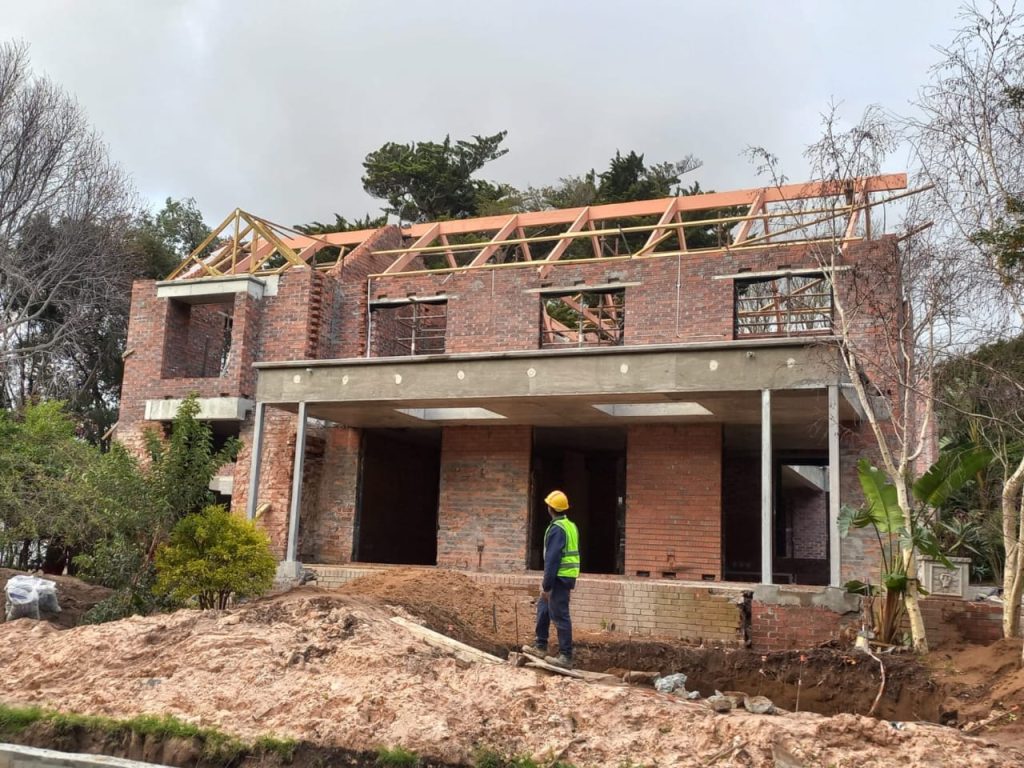
- Extensions and structural work — a contractor with drawings, plans approval experience and a site manager
- New homes — a registered home builder with the enrolment paperwork to match
Small construction companies in Cape Town often do excellent renovation work and are far more responsive than a large firm. The trade-off is capacity. Ask honestly how many jobs they are running at once.
What registration actually tells you
Registration bodies get quoted at homeowners a lot, and they are often misunderstood.
- NHBRC — anyone in the business of home building must register and renew annually. It exists for new homes and carries a warranty on enrolled properties.
- CIDB — a nine-grade system built for public sector tendering. It sets the contract value a contractor may tender for on government work, not the quality of their private renovation work.
- MBAWC — the Master Builders’ Association Western Cape. Membership is voluntary and its member list is public, which makes it easy to check.
- CIPC — company registration. Basic, but it confirms the business legally exists.
None of these guarantee good work. What they do is prove the contractor is a real, traceable business, which matters if something goes wrong two years later.
Insurance is the item people skip
Ask for proof of public liability cover and confirmation that workers are covered for injury on your property. Ask to see the current certificate, not a promise. Uninsured labour on your site is your exposure, not theirs.
Comparing quotes from building contractors Cape Town wide
Three quotes only help if they price the same job. Most do not, which is how the cheapest quote becomes the most expensive project.
- Write your own scope first — a plain list of what you want done, given to everyone
- Insist on itemised pricing — labour, materials and rubble removal shown separately
- Check for exclusions — scaffolding, waste removal and making good are the usual omissions
- Ask about provisional sums — placeholder amounts that will change later
- Confirm VAT — whether it is included or added on top
- Get a timeline — a start date, a duration and what happens if it slips
When a quote is far below the others, that is information, not a bargain. It usually means something has been left out, or the contractor intends to make it up in variations later.
References worth more than a photo gallery
Photographs prove nothing about how a job was run. Ask for two references from the last twelve months and actually phone them. Ask three questions: did the price change, did it finish near the date promised, and did they come back to fix snags. Then ask to see a job in progress, because a live site tells you more about a contractor than a finished one. Mix ratios and workmanship standards are published by the NHBRC.
What a fair contract looks like
Even on a small renovation, put it in writing. It does not have to be complicated.
- The scope, in the same words as the quote
- The total price and what is excluded
- The payment schedule, tied to completed stages rather than dates
- Start and completion dates
- How variations are agreed — in writing, priced before the work happens
- The defects period and what it covers
On deposits, normal South African practice puts the opening payment at roughly 5% to 15% of the contract value. Anything well above that band deserves a hard question. A contractor who wants a large cash sum before a contract is signed has told you what you need to know.
Red flags worth walking away from
- No written quote, or a single lump-sum figure with no breakdown
- Pressure to decide today, or a discount that expires this week
- A large upfront deposit, especially in cash
- No fixed address, no company registration, no VAT clarity
- Refusal to provide recent references or proof of insurance
- Materials you must buy and store yourself on a fixed-price job
Trust the paperwork over the pitch. A contractor who documents things properly at quoting stage generally documents them properly on site as well. Our brickwork and plastering quotes are itemised for exactly this reason.
Questions to ask on the site visit
- Who is on site daily, and who supervises?
- Are the team employed or subcontracted?
- What happens to rubble, and is that in the price?
- Which parts will be subcontracted to other trades?
- How do you handle plumbing and electrical certificates?
We give a free on-site assessment across Cape Town and charge no call-out fee. Send us your project details for a written, itemised quote. For pricing context on a common project, see our vibracrete wall cost guide.
Frequently asked questions
How do I choose a reliable builder in South Africa?
Match the contractor to the size of the job, confirm they are a registered, traceable business, and check public liability insurance before anything else. Then compare itemised quotes against a scope you wrote yourself, phone two recent references, and sign a written contract with stage payments. Judge the paperwork, not the sales pitch.
Does a builder need to be NHBRC registered?
Anyone in the business of home building must register with the NHBRC and renew annually. It is aimed at new home construction, where the enrolment carries a warranty. For a renovation or repair to an existing house it is not always the relevant body, but NHBRC registration still tells you the contractor is established and traceable.
What is CIDB grading and does it matter for my house?
The CIDB uses a nine-grade system that sets the maximum contract value a contractor may tender for, mainly on public sector work, along with the work categories they are registered for. For a private home renovation it is not a requirement. Treat it as a sign of scale and admin capability, not of workmanship.
How much deposit should I pay a building contractor?
Normal South African practice puts the opening payment at roughly 5% to 15% of the contract value. Anything materially above that shifts the financial risk onto you. Never pay a deposit before a written contract and scope exist, and structure the rest as stage payments released when work is actually completed.
How many quotes should I get for a renovation?
Three is enough, provided all three price the same written scope. Comparing quotes for different scopes is the most common mistake homeowners make. Look at what is excluded, whether provisional sums are used, and whether VAT is included, before you look at the total on the bottom line.