
Most people search for geyser plumbers near me at the worst possible moment: a cold shower, a tripped breaker or a wet ceiling. The real question is not who to call. It is whether you are buying a repair or a replacement.
Get that wrong and you either throw good money at a dying cylinder, or replace a geyser that needed a R-hundreds part. Here is how to tell the difference before anyone quotes you.
What geyser plumbers near me should diagnose first
A competent plumber checks the cheap causes before selling you a new tank. In order:
- The distribution board. A tripped geyser breaker is sometimes the whole story.
- The element. The heating coil burns out after roughly 5 to 10 years. No hot water, no leak, no tripped breaker.
- The thermostat. Water that is lukewarm, scalding, or wildly inconsistent.
- The valves. A weeping pressure control or safety valve mimics a leaking tank.
- The cylinder itself. Water coming from the tank body, not a fitting.
Only the last one forces a replacement. The first four are repairs.
Symptoms and what each one usually means
- No hot water at all, breaker not tripped: most often a blown element
- Water lukewarm or scalding: thermostat
- Breaker trips every time you reset it: electrical fault, stop resetting it
- Water dripping from the overflow pipe outside: pressure valve doing its job, or failing
- Rusty or discoloured hot water: internal corrosion, a bad sign for the tank
- Rumbling or knocking from the roof: sediment build-up on the element
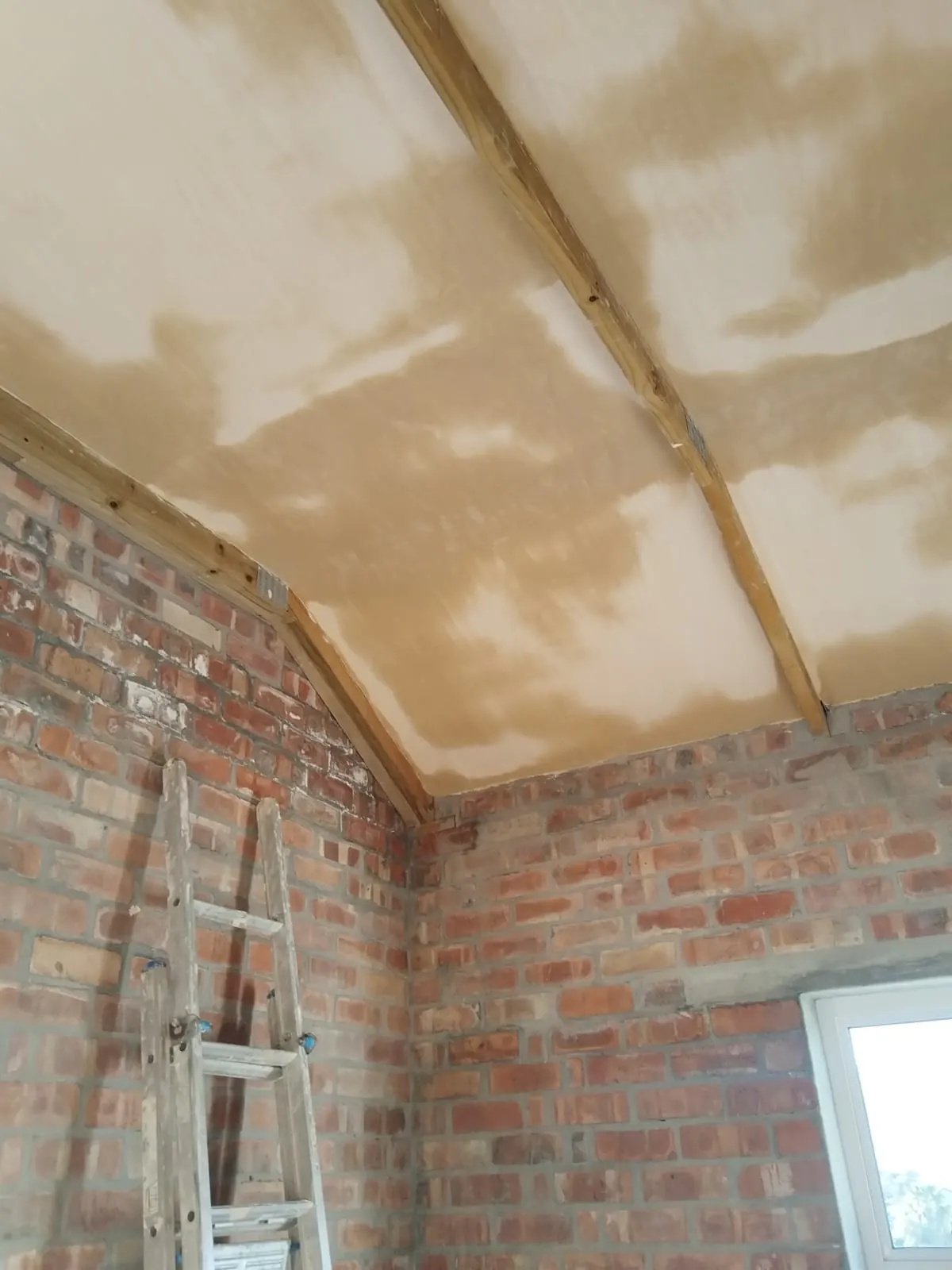
- Damp ceiling or a stain spreading: stop and shut everything off
The last one is not a diagnosis job, it is an emergency. Our burst geyser guide covers the first ten minutes properly.
The age threshold that settles most arguments
A South African geyser lasts 8 to 12 years in normal use, and 15 or more if it has been serviced and the anode rod maintained. That gives a simple rule.
- Under 6 years: repair almost always, and check the warranty first
- 6 to 10 years: repair a single clear fault, replace if it is the second failure
- Over 10 years: replacing is usually the better spend, even if the repair works
- Tank leaking at any age: replace, a cylinder cannot be repaired
Find the manufacture date on the sticker on the side of the cylinder. If you cannot find it, the plumber can. The full pricing picture is in our geyser replacement cost guide.
The money test
If the repair costs a large share of a full replacement and the geyser is near the end of its life, replace it. You are otherwise paying twice inside two years, and the second time will probably be an emergency at emergency rates.
What repair and replacement cost
- Element or thermostat replacement: labour plus the part, at R400 to R900 an hour
- Call-out: R450 to R950 standard hours, R800 to R1,500 emergency
- Full 150L electric replacement: roughly R7,000 to R11,000 installed
- Certificate of compliance: R850 to R2,500 where required
- Annual service: R500 to R3,000 depending on what is found
That last line is the one people skip. A serviced geyser reaching 15 years instead of 9 is worth far more than the service costs. Broader plumbing rates are set out in our plumbers near me cost guide.
Choosing the plumber, not just the price
Geyser work is regulated. Whoever does it must be able to issue a certificate of compliance, or you inherit an insurance problem with your new hot water.
- Registration, so the certificate is valid
- A written quote splitting call-out, labour, parts and certificate
- A diagnosis before a recommendation, not a replacement quote over the phone
- A workmanship guarantee alongside the manufacturer warranty
Be wary of anyone quoting a full replacement before they have seen the geyser. Registration requirements are explained in our plumbers Cape Town guide, and hiring under time pressure is covered in plumber near me.
Before the plumber arrives
- Switch the geyser off at the distribution board if there is any leak
- Photograph the cylinder sticker so the age and size are on record
- Clear access to the roof hatch
- Note exactly what changed and when it started
We diagnose before we quote, and we say so plainly when a repair is the better spend. See our plumbing and electrical services or describe the symptoms to us for a free assessment with no call-out fee.
Frequently asked questions
How long does a geyser usually last in South Africa?
Most electric geysers last 8 to 12 years, depending on water quality, usage and maintenance. A well-maintained geyser with a replaced anode rod can reach 15 years or more, while a neglected one can fail closer to eight. Check the manufacture date on the sticker on the side of the cylinder. Registration is verifiable: check any plumber against the Plumbing Industry Registration Board before work starts.
Can you repair a leaking geyser?
It depends where the leak is. If it comes from a valve, a fitting or a connection, yes, that is a routine repair. If the cylinder itself is leaking, no — the tank cannot be repaired and the geyser has to be replaced. A plumber can tell the two apart quickly on site.
Why do I have no hot water if nothing has tripped?
The most common cause is a blown heating element, which typically burns out after five to ten years. You get no hot water at all, the distribution board has not tripped, and there is no leak or unusual noise. A faulty thermostat produces lukewarm or wildly inconsistent water instead.
At what age is replacing a geyser cheaper than repairing it?
Under six years, repair. Over ten years, replacement is usually the better spend even when a repair would work, because you will likely pay again within two years and the second failure is often an emergency. A leaking tank means replacement at any age. A 150L electric replacement runs roughly R7,000 to R11,000 installed.
Do I need a registered plumber for geyser work?
Yes for installation or replacement, because that work requires a plumbing certificate of compliance and only a registered plumber can issue one. The certificate costs R850 to R2,500. Uncertified geyser work can give your insurer grounds to decline a later claim, so ask about registration before booking.